
What is a Lipoma?
A lipoma is a knot of fatty tissue that is usually found just below the skin (subcutaneous). Lipomas can occur almost anywhere on the body but are most commonly found on the trunk, shoulders, neck, and armpits. Lipomas can rarely form in muscles and internal organs.
A lipoma can be described as a rubbery bulge that feels like it can move. Lipomas tend to grow slowly, often over months or years. They are usually small (usually less than 2 inches across). Sometimes larger lipomas do occur, with some reaching almost 8 inches across.
Lipomas are fairly common, occurring in 1 in every 1,000 people. People with a lipoma usually have only 1, though about 20% of those affected can have several.
Lipomas affect all age groups and can even be present at birth; however, they usually form in people who are between the ages of 40 and 60.
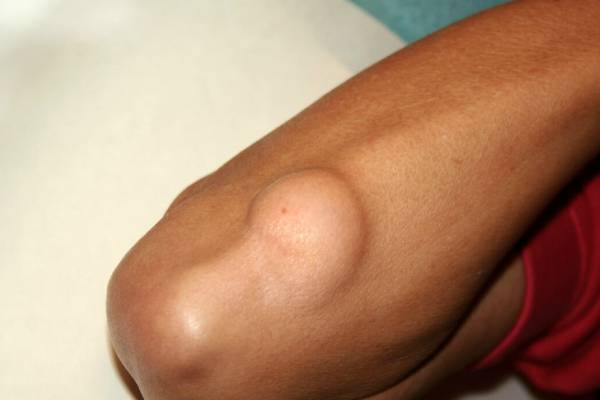
Symptoms
Lipomas can occur anywhere in the body. They are typical:
- Situated just under the skin. They commonly occur in the neck, shoulders, back, abdomen, arms, and thighs.
- Soft and doughy to the touch. They also move easily with slight finger pressure.
- Generally small. Lipomas are typically less than 2 inches (5 centimetres) in diameter, but they can grow.
- Sometimes painful. Lipomas can be painful if they grow and press on nearby nerves or if they contain many blood vessels.
Lipoma Diagnosis
The doctor will perform the following to diagnose a lipoma:
- A physical examination
- Biopsy which is a tissue sample for lab examination
- An ultrasound or other imaging tests like an MRI or CT scan, if the lipoma is large and has unusual features or appears to be deeper than the fatty tissue
It is unusual for a lipoma to be cancerous when it is called a liposarcoma. Liposarcomas are cancerous tumours in fatty tissues that grow rapidly, don’t easily move under the skin, and are usually painful. A biopsy, MRI, or CT scan is typically done if the doctor suspects liposarcoma.
Lipoma Treatment
Lipomas usually do not require treatment. However, the doctor will recommend the removal of the lipoma only if the lipoma is painful or is growing. Lipoma treatments include:
- Surgical removal – Most lipomas are removed surgically by cutting them out. Relapse after removal is uncommon. Possible side effects are scarring and bruising.
- A steroid injection – This treatment shrink the lipoma but usually doesn’t eliminate it. The use and potential of injections before surgical removal is still being studied.
- Liposuction – In this treatment, a needle and a large syringe are used to remove the fatty lump.
Dr. Vishal Gore is trying to give the best service at a minimal cost. If you facing a lipoma Excision problem then you can feel free to connect with the best Dermatologist in Pune. You can book your appointment by submitting a simple form.